
RESEARCH
The intriguing roles of that yellow protein
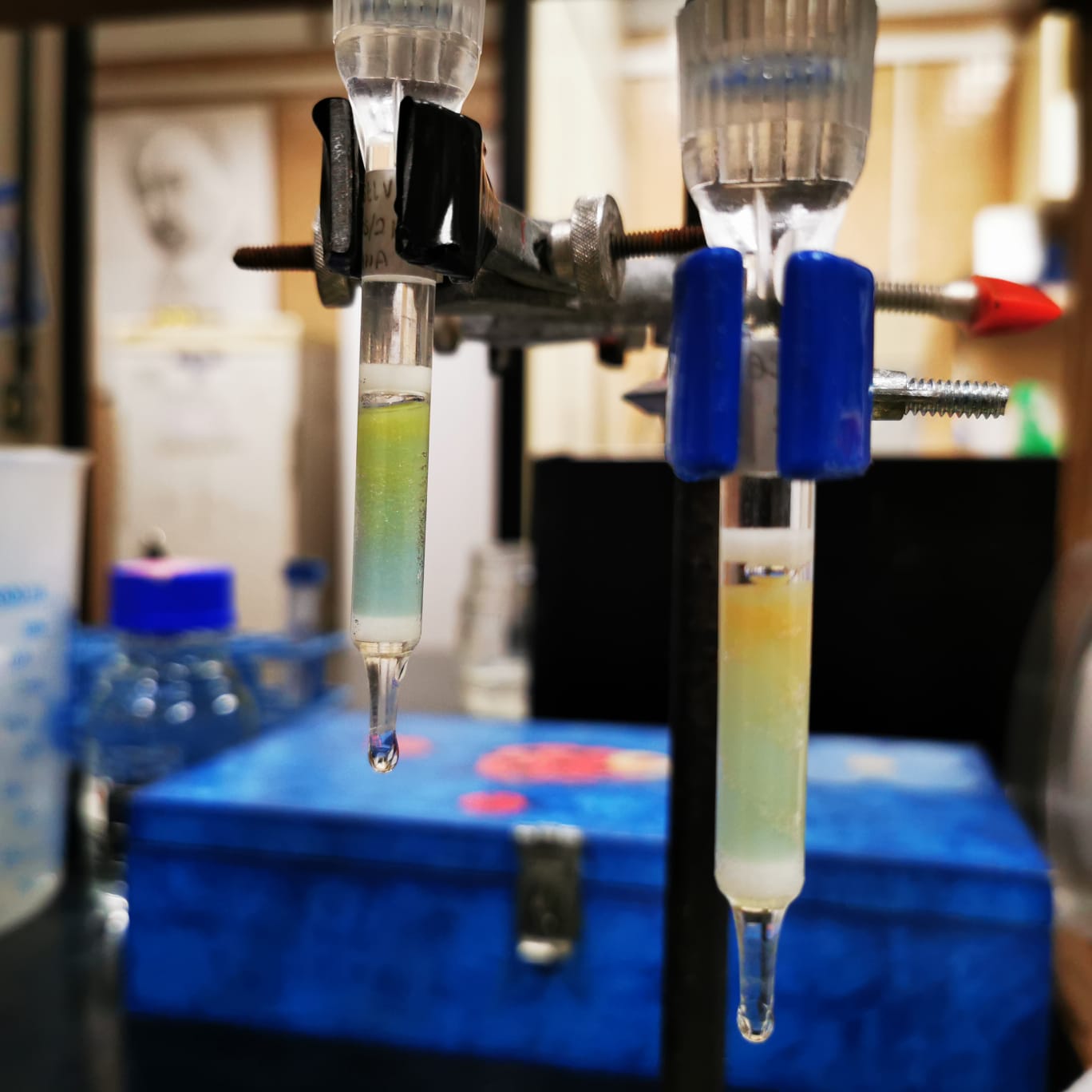
QSOX1 is a bright yellow protein (due to FAD), discovered long time ago,
in biological fluids (bovine milk, seminal vesicle fluid, chicken egg white). Most of it is secreted. In the extracellular environment QSOX1 is involved in the extracellular matrix organization. We have shown that QSOX1 is present in the fetal serum, and that its expression is regulated during the fetal development.
Later, we found that QSOX1 is upregulated in the neointima tissue after vascular damage, and that it induces smooth muscle cells proliferation and migration. More recently, we are interested in the cellular mechanisms elicited by the extracellular QSOX1, both in physiological and pathological conditions, such as cancer and tissue repair.
REDOX MECHANISMS UNDERLYING THE UREMIC TOXICITY
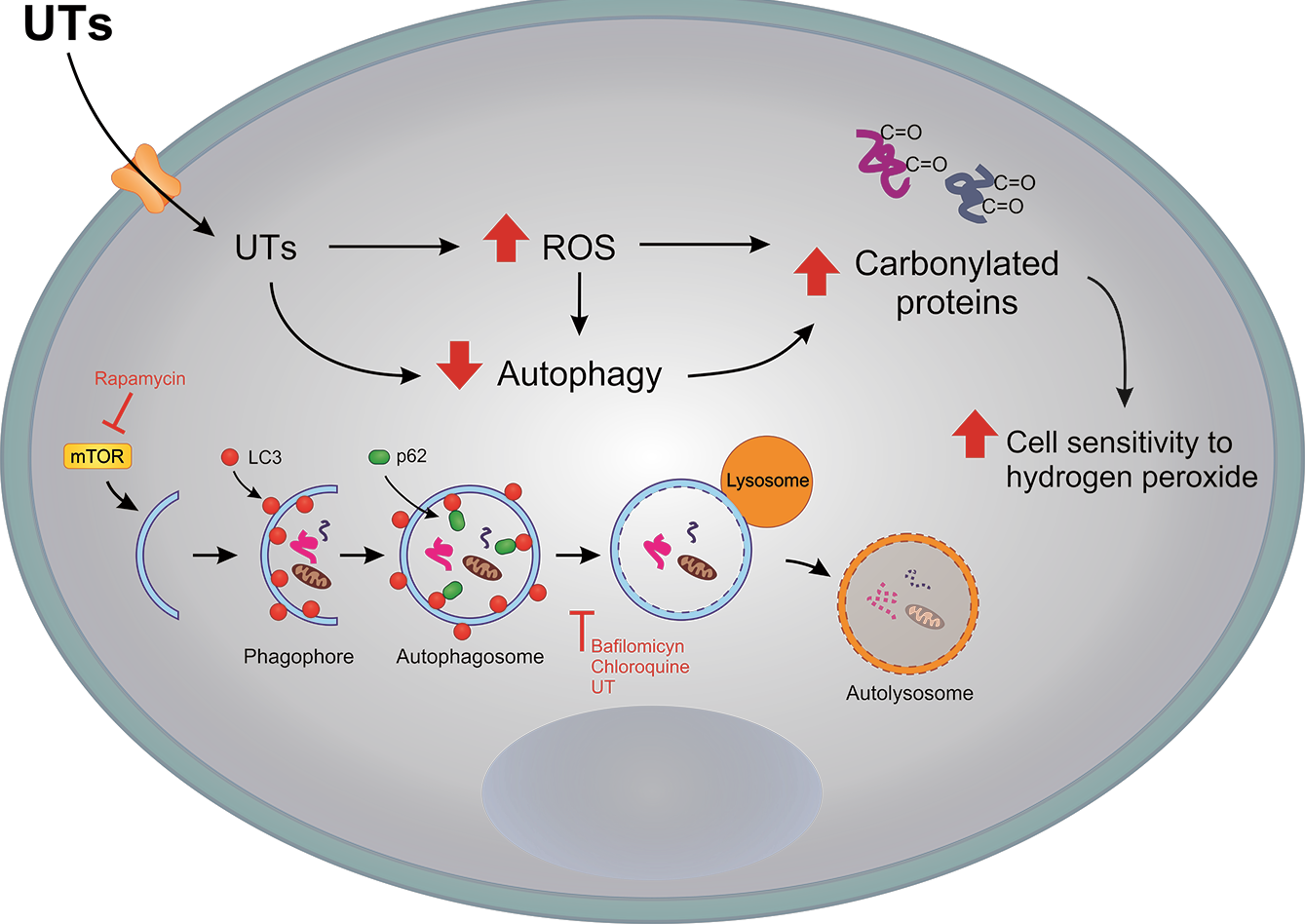
The retention of uremic toxins (UT) in patients of chronic kidney disease is associated with the progression of CKD and the development of cardiovascular diseases. Some uremic toxins promote oxidative stress and inflammation in vascular cells and myocytes, contributing to the complications of CKD.
We have shown that uremic toxins impair the autophagic process in endothelial cells, and more recently we have been studying the effect of the nutraceutic sulforaphane in inhibiting oxidative stress and inflammation in endothelial cells and uremic rats.
Platform to search Nrf2 modulators
Nrf2 is a transcriptional factor activated under cellular stress. Cancer cells usually present a highly activated Nrf2, enhancing their chemoresistance, while several types of cells present a deficient activation under certain conditions, such as ageing.
Thus, it is important to find molecules that are able to either activate or inhibit Nrf2. We are interested in establishing a platform to screen natural metabolites as Nrf2 modulators